Blocked Toilet in Kettering? What to Do Before You Call a Professional
Whether you’re in Kettering or one of the nearby towns like Burton Latimer or Rothwell, dealing with a blocked toilet can be an unwelcome disruption. It’s a common household problem that can escalate quickly if mishandled. Knowing how to approach the issue safely can save you time, stress, and unnecessary expenses.
In this article, we’ll guide you through practical, safe first steps you can take when faced with a blocked toilet. We’ll also help you recognise when the problem might be more than just a simple blockage in the toilet itself, and when it’s time to call in a professional from Northamptonshire’s drainage experts.
Initial Steps to Try When Your Toilet Is Blocked
Start by assessing the blockage carefully before taking any action. Avoid flushing repeatedly, as it can cause the toilet to overflow and worsen the problem. Instead, try to clear the blockage gently using a plunger designed specifically for toilets. Make sure there is enough water in the bowl to cover the plunger’s rubber cup, creating a seal to help dislodge the clog.
If a plunger isn’t available, a toilet brush or a flexible plastic bottle can sometimes help push minor blockages through, but be cautious not to damage the toilet or push the blockage deeper. Avoid chemical drain cleaners, especially in older plumbing common in Northamptonshire homes, as they might cause damage to pipes or fixtures and often won’t resolve serious blockages.
Patience is key during this process. If your efforts don’t clear the blockage within a few attempts, it’s generally best to stop and consider the next steps rather than risking damage or overflow.
Why Repeated Flushing Can Make Things Worse
When you encounter a blocked toilet, your immediate reaction might be to keep flushing, hoping the water will push the blockage through. However, repeated flushing is often counterproductive. Each flush forces more water into the bowl and pipes, which can quickly lead to overflow if the blockage is severe.
Overflow not only creates a messy and unpleasant situation but also increases the risk of water damage to your bathroom floor and surrounding areas. In Northamptonshire’s older properties, where pipework may not be as robust, standing water can cause more serious problems, including damage to floors, walls, and even foundations.
Instead of repeated flushing, try alternative methods such as plunging or using a toilet auger if you have one. If these do not work, it’s safer to call a professional to avoid exacerbating the issue.
Signs the Blockage Is in the Drain, Not the Toilet
Sometimes, what seems like a blocked toilet is actually a sign of a deeper drainage issue. If multiple drains in your home show signs of slow drainage or backup — such as sinks, showers, or floor drains — you may be facing a problem in the main sewer line.
Other signs include gurgling noises from toilet or drains, water rising in the toilet bowl when other fixtures are used, or unpleasant odours coming from drains. In Kettering and surrounding areas like Pytchley or Thrapston, soil composition and older drainage systems can sometimes contribute to these issues.
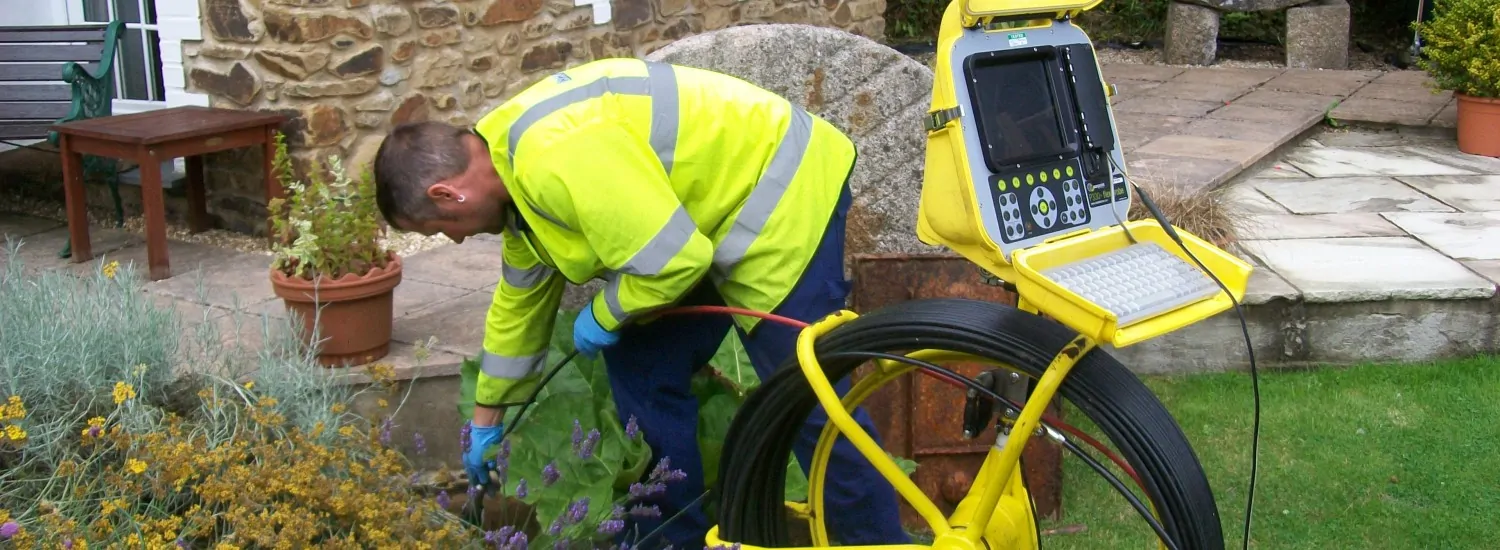
If you observe any of these symptoms, it’s best to avoid using household drain chemicals and call a professional drainage company. They can carry out a camera survey of your pipes to identify the cause and location of the blockage accurately.
What to Avoid When Dealing with a Blocked Toilet
Certain common mistakes can make a blocked toilet worse or lead to costly repairs. Avoid using harsh chemical drain cleaners, as these can erode the inside of older pipes common in Northamptonshire homes and harm the environment when flushed into the sewage system.
Don’t attempt to dismantle the toilet or plumbing unless you have experience. Incorrect handling can cause leaks or damage to fixtures, leading to more complicated problems. Also, refrain from using metal tools or sharp objects to clear the blockage as these can damage the porcelain or pipework.
Finally, avoid ignoring the problem or using the toilet repeatedly when it’s blocked. This can lead to sanitation issues and structural damage in your home, especially in damp conditions common in this part of England.
When to Call a Professional Drainage Service in Kettering
If your initial attempts to clear the blockage have failed, or if you notice signs of a deeper drainage issue, it’s time to call in professional help. Drainage specialists in Kettering have the equipment and experience to deal with stubborn blockages safely and effectively.
Prompt professional intervention can prevent more serious damage to your plumbing and property. For example, if the problem involves the main sewer line, professionals can use CCTV surveys to pinpoint the blockage and resolve it with minimal disruption.
In cases of recurring blockages or if you live in older properties around places like Desborough or Rothwell, professional drainage inspections can identify underlying issues such as root ingress or pipe collapse, helping you avoid future emergencies.
Considering Local Factors in Northamptonshire Plumbing
Homes in Kettering and neighbouring towns like Corby or Barton Seagrave often have older plumbing and drainage systems, which can be more prone to blockages and wear. The soil here can be heavy clay or mixed, affecting drainage performance and pipe longevity.
Weather conditions typical of Northamptonshire, including wet winters and dry summers, can cause ground movement affecting underground pipes. This can lead to cracks or shifts that cause blockages or leaks over time.
Understanding these local factors can help homeowners adopt preventive measures such as regular drain inspections and avoiding flushing inappropriate items. This knowledge also informs when it’s sensible to seek professional advice to maintain a healthy drainage system.
Preventive Tips to Avoid Future Toilet Blockages
Once your toilet blockage is resolved, taking preventive measures can save you from future hassle. Avoid flushing anything other than human waste and toilet paper. Items like wet wipes, sanitary products, and paper towels often cause blockages and shouldn’t be flushed, even if packaging claims they are flushable.
Regular maintenance, such as using enzyme-based drain cleaners safe for your pipes, can help keep your drains clear. In Kettering and the wider Northamptonshire area, scheduling periodic inspections can catch developing issues before they become emergencies.
Finally, educate everyone in your household on proper toilet use and what should not be flushed. This simple step is often the most effective way to prevent blockages and maintain a smoothly functioning system.
Need a drainage expert in Kettering?
Call 01536 239970