
Tree Roots in Drains: Signs, Risks and Repairs in Kettering
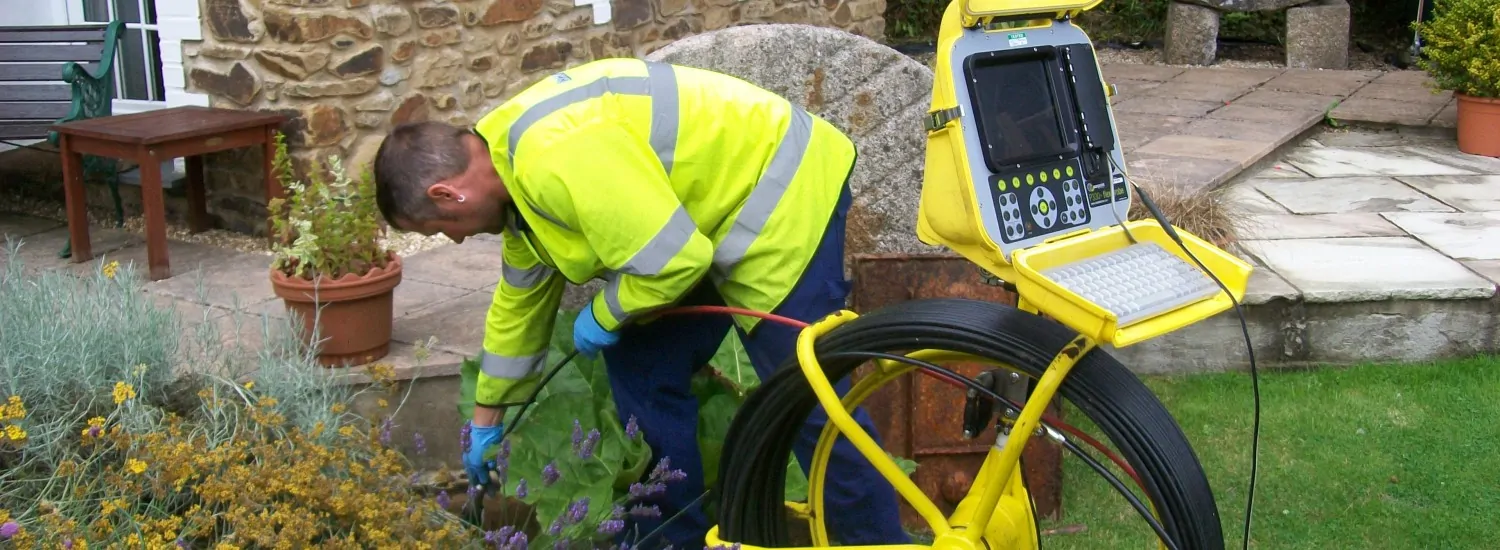
Living in Kettering or nearby Northamptonshire towns, many homeowners enjoy mature gardens with established trees. While these add natural beauty, they can also pose hidden problems beneath the surface, particularly when roots invade drainage systems. Understanding how tree roots get into drains, spotting early signs of damage, and knowing the available repairs can save property owners time, expense, and stress.
Drainage blockages caused by roots are common in this part of Northamptonshire, especially where older terraced and detached houses have ageing clay pipes. This article explores the reasons roots infiltrate drains, indicators that suggest root ingress, the risks to your drainage infrastructure, and practical repair options including root cutting and modern relining methods.
How and Why Tree Roots Enter Drains
Tree roots are naturally drawn to moisture, nutrients, and oxygen, all of which are present in drains and sewer pipes. In Kettering’s residential areas, especially older neighbourhoods with clay or concrete drainpipes, small cracks or joints provide an entry point for roots seeking hydration during dry seasons.
Roots don't aim to damage drains intentionally but exploit existing weaknesses. As the root tips detect moisture escaping from leaking pipes, they grow into these gaps. Over time, roots expand inside the pipe, exacerbating cracks and blockages. The proximity of large trees such as oaks, sycamores, or leylandii to properties in towns like Burton Latimer and Rothwell increases this risk.
Vegetation type, soil conditions common to Northamptonshire, and drainage system age all influence root ingress likelihood. For instance, clay soils around Pytchley and Geddington may retain water longer, encouraging root growth towards drains.
Warning Signs of Tree Root Ingress in Drains
Homeowners in Kettering or surrounding towns like Desborough and Barton Seagrave should watch for several signs suggesting roots have invaded their drains. Slow draining sinks, toilets, or baths are often early indicators. These symptoms occur because roots partially block waste flow, causing backups inside the home.
Unpleasant odours emanating from drains, manholes, or yard soakaways also point to root-related blockages. Foul smells can result from stagnant water trapped behind root masses or from pipe damage allowing sewer gases to escape. Additionally, visible soggy patches or lush vegetation in specific garden areas might signal underground leakage caused by pipe cracks.
In worst cases, sewage may overflow into gardens or basements, creating health hazards. Residents should be vigilant during wetter months when blocked drains become more noticeable due to increased water volume and limited pipe capacity.
Damage Caused by Tree Roots Over Time
If left untreated, tree roots can cause severe damage to drainage systems in Northamptonshire homes. As roots grow inside pipes, they can cause blockages that lead to repeated flooding and sewage backflow. Persistent pressure from roots may fracture or displace drain pipes, requiring extensive excavation for repair.
Structural damage is especially problematic in older Kettering properties with traditional terracotta drains, where brittle pipes easily crack under root expansion. Drain collapses can result in costly garden restoration and disruption. Nearby towns like Thorpe Malsor and Isham, with their mature landscaping, often face similar challenges.
Beyond physical harm, root ingress can disrupt the flow of rainwater and wastewater, causing problems with local sewer capacity and increasing risks of ground contamination. Ignoring root problems can lead to regulatory issues with local water authorities in Northamptonshire.
Diagnosing Root Problems: Professional Drain Surveys
Detecting root ingress early is vital for Kettering homeowners. Professional drainage surveys using CCTV camera inspections provide a non-invasive way to assess the condition of underground pipes, locate root blockages, and determine pipe damage extent.
These surveys can be arranged locally, covering Kettering and neighbouring areas such as Corby and Hardwick. A small camera is pushed through the drains, transmitting real-time images to identify root intrusion, blockages, cracks, or pipe collapses. This precise diagnosis helps decide the most appropriate repair method without unnecessary digging.
Homeowners should arrange inspections if they notice slow drainage or suspect root problems, preventing escalation and saving on future repair costs.
Options for Repair: Root Cutting and Removal
Once roots are identified inside the drainage pipes, one common repair solution is root cutting. In Kettering and surrounding Northamptonshire towns, specialists use mechanical cutters, sometimes combined with high-pressure water jets, to clear roots and debris from inside the pipes.
Root cutting is effective in restoring flow and can be performed with minimal disruption, often without the need to excavate gardens. However, root cutting is not a permanent fix as roots may regrow, necessitating routine inspections and maintenance to keep drains clear.
This method is suitable for properties in towns like Thrapston and Broughton where root ingress is moderate, but for more severe pipe damage, further repairs may be necessary.
Permanent Solutions: Drain Relining and Replacement
For damaged pipes compromised by root growth, relining provides a modern, less invasive repair alternative. This process involves inserting a resin-coated flexible liner into the existing drain, which cures to form a new, seamless pipe within the old one. This method seals cracks and prevents future root penetration.
Relining is particularly popular in Northamptonshire homes where excavation would disrupt gardens or driveways, offering durability and resistance to roots. Areas around Kettering, Rothwell, and Pytchley have seen increasing uptake of this technology to prolong drainage system life with minimal mess.
In cases of extensive pipe collapse or irreparable damage, traditional replacement may be required. Though more disruptive and costly, pipe replacement fully removes damaged sections and is sometimes necessary for properties with severe root damage.
Preventing Tree Root Damage in Your Kettering Garden
Prevention starts with sensible landscaping choices. Homeowners in Kettering and nearby villages should avoid planting trees with aggressive root systems close to drainage pipes. Species such as willows, poplars, and leylandii are best situated away from underground utilities.
Regular drain inspections, especially for older properties between Corby and Barton Seagrave, help detect problems early. Additionally, maintaining healthy trees with adequate watering and pruning reduces the likelihood of roots aggressively seeking moisture from drains.
Consulting with local drainage experts about pipe materials and preventive treatments can also protect your system. Some Northamptonshire residents choose to install root barriers or replace old pipes with modern plastic options designed to resist root penetration.
Need a drainage expert in Kettering?
Call 01536 239970