Preventing Blocked Drains: Maintenance Tips for Kettering Homeowners

Living in Kettering and surrounding Northamptonshire towns means dealing with the region’s varied weather and older housing stock, factors that can increase the risk of blocked drains if maintenance is neglected. Blocked drains not only cause unpleasant odours and slow drainage but can also lead to costly repairs and water damage if left unresolved. Thankfully, with some straightforward preventative habits and regular checks, homeowners can significantly reduce these risks.
This article offers practical advice tailored to Kettering residents, covering the common causes of blockages, what to avoid flushing or pouring down drains, gutter and gully care, and essential seasonal maintenance routines. Following these guidelines will help keep your home’s drainage system flowing freely and avoid disruption.
Avoiding Common Drain Blockers in Your Kettering Home
Many blocked drains originate from what we pour down sinks and toilets daily. In Kettering homes, fatty food waste, cooking oils, and grease often cause stubborn blockages. When these substances cool, they solidify and cling to pipe walls, gradually narrowing the flow and potentially causing backups. It’s best to collect oils in a container and dispose of them with household waste rather than washing them away.
Other common culprits include coffee grounds, eggshells, hair, and fibrous food scraps like potato peelings. These materials don’t break down easily and can easily catch on existing debris inside pipes, compounding blockages. Avoid flushing items like wet wipes, sanitary products, cotton buds, and nappies, as these do not dissolve and are a major cause of blockages in both Kettering and nearby towns like Burton Latimer or Rothwell.
Gutter and Gully Maintenance to Prevent Drainage Problems
Maintaining gutters and gullies is essential in Northamptonshire’s climate, where rainfall can be unpredictable but heavy at times. Blocked gutters cause water to overflow, potentially seeping into walls or foundations and leading to damp problems. Regularly clearing leaves, twigs, and moss ensures rainwater flows freely to drains.
Gullies, especially those at roadside edges or near driveways in Kettering and neighbouring areas such as Desborough or Broughton, should be inspected for debris and sediment build-up. If gullies become clogged, surface water cannot drain properly, increasing the risk of flooding during heavy showers. Removing debris and flushing gullies with water can help maintain their effectiveness.
Routine Drain Maintenance: What Every Kettering Home Needs
For homeowners in Kettering and surrounding towns like Geddington or Pytchley, scheduling regular drain inspections is a wise preventative step. Visual checks of external drain covers and inspection chambers can reveal early signs of blockages or damage.
Using drain strainers over kitchen sinks can trap food waste and prevent it from entering your pipes. Additionally, flushing your drains periodically with hot water mixed with natural cleaning agents such as baking soda and vinegar can help keep the pipes clear of minor grease or sludge build-up without harsh chemicals.
If you notice slow drainage or gurgling sounds from your drains, don’t delay in investigating. Early intervention reduces the chance of a serious blockage requiring costly professional intervention.
Seasonal Drain Checks for Kettering Residents
Seasonal maintenance is particularly important in Northamptonshire, where autumn brings falling leaves that can rapidly accumulate in gutters and drains, while winter’s freeze-thaw cycles can exacerbate existing weaknesses in drainage pipes.
In the autumn, remove leaves and organic debris from gutters, downpipes, and nearby drainage channels. Check outdoor drains and gullies for any blockages before the winter sets in. Clearing debris now reduces the risk of water pooling and freezing, which can crack pipes or cause ice dams.
Spring is also a good time to inspect drains after winter’s wear and tear. Look for slow drainage or damp patches outside your home—these could be early signs of developing issues that need addressing to prevent larger problems during summer rainfall.
The Role of Landscaping in Drainage Maintenance
Garden and landscaping choices around your Kettering property can influence how well your drains cope with surface water. Planting large trees or shrubs close to underground drainage pipes can cause root intrusion, potentially cracking or blocking pipes over time. If you live in areas like Thrapston or Isham, where mature trees are common, be mindful of planting too near drainage infrastructure.
Installing permeable paving or creating rain gardens can help manage rainfall by promoting natural absorption and reducing runoff towards drains. These landscaping solutions are especially beneficial for homes on sloped sites or those in Barton Seagrave, where water tends to collect.
Keep garden waste, soil, and mulch away from drain openings to avoid choking them. Regularly clearing garden debris ensures water flows smoothly and reduces maintenance needs.
When to Seek Professional Drain Maintenance in Northamptonshire
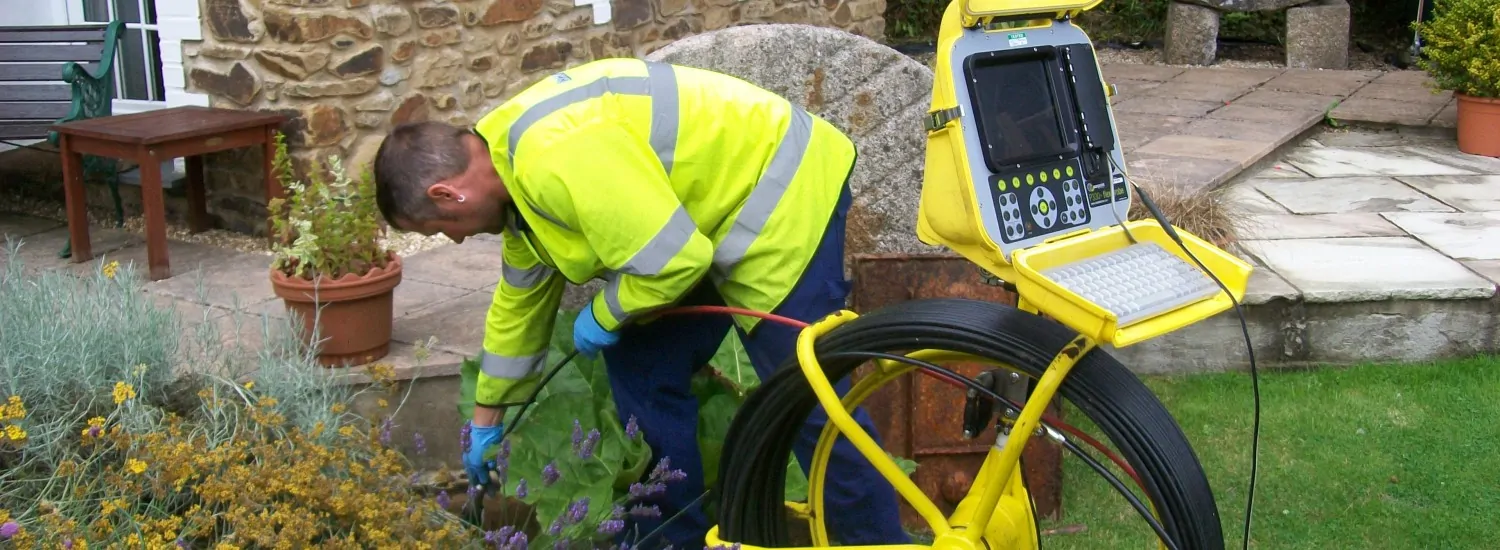
Although many preventative measures can be handled by homeowners, sometimes professional expertise is necessary to maintain your drainage system properly. Signs such as persistent bad odours, multiple slow drains, or water backing up inside your home indicate a likely blockage requiring specialist equipment like CCTV drain surveys.
If your property in Kettering or nearby towns such as Corby or Hardwick experiences frequent drainage issues, arranging a professional inspection can uncover hidden problems like collapsed pipes or root ingress early and avoid emergency repairs.
Scheduling professional drain cleaning every few years can also prolong the life of your plumbing and drainage infrastructure, especially in older Northamptonshire homes where pipes may be more vulnerable to blockages and wear.
Simple Daily Habits to Keep Drains Clear
Adopting small daily habits can have a big impact on preventing blocked drains. Running hot water through sinks after use helps flush away residual fats or soap scum before they solidify. Using drain strainers in showers and sinks captures hair and prevents it from entering the pipes.
Dispose of kitchen waste thoughtfully by composting vegetable peelings and wiping plates to remove grease before washing up. Avoid using chemical drain cleaners regularly; these can damage pipes over time and upset local ecosystems when discharged.
Maintaining awareness of what enters your drainage system and acting quickly at the first sign of slow drainage will help keep your Kettering home’s drains in good health for years to come.
Need a drainage expert in Kettering?
Call 01536 239970